What a Place Name Can Preserve
Learn how to read a place name for traces of older languages, landscape features, and local uses while separating careful clues from tempting guesses.
At a bus stop, a sign for Mill Brook may point to a stream with no mill in sight. The place name can still preserve a trace of an older language, a former feature, or a use that has faded from view—even as its meaning and pronunciation change. Reading it well means treating the name as a clue to investigate, not a label that explains itself.
Where can you find the name’s earliest usable form?
Begin by choosing one name and writing down its current spelling, pronunciation, and location. A neighborhood name, stream, hill, or small settlement is easier to investigate than a broad region whose boundaries have shifted over time.
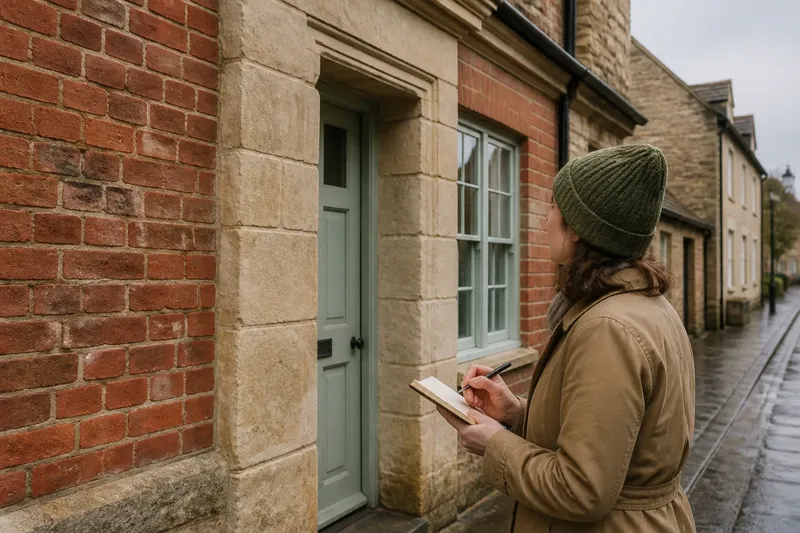
Then look for older spellings in sources that identify where the form came from: local maps, town directories, historic property records, library catalogues, or a place-name database maintained by a university or public agency. A map may preserve a spelling that a later road sign standardized; a directory may show how residents used the name in ordinary directions.
Record each form alongside its source and date, if provided. Avoid treating a transcription, an old map label, and a resident’s pronunciation as interchangeable. They may reflect different purposes: a clerk could spell what was heard, a cartographer could shorten a label, and a community could keep a spoken form that never appeared in official records.
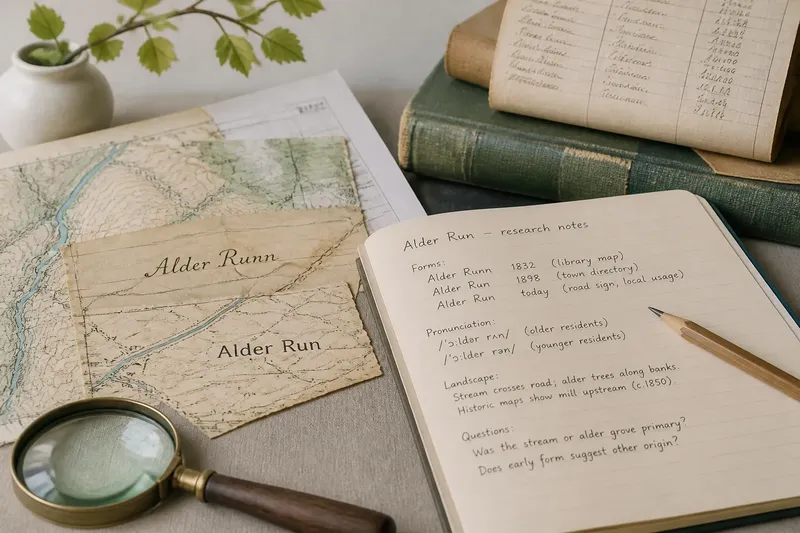
Say you are curious about a lane called Alder Run. Imagine a library map lists it as “Alder Runn,” while a later directory uses “Alder Run.” That difference gives you a trail to follow; it does not yet tell you whether alder trees, flowing water, or another local use accounts for the name.
What parts of the name might have changed?
Separate a name into pieces only when the forms give you reason to do so. A familiar ending may be meaningful, but it may also be a sound that has been reshaped by later speakers. Comparing older forms can show whether a suspected boundary between parts remains stable or is only a guess based on today’s spelling.
Language contact often leaves layered names. A community may adapt a word from an earlier language to sounds it uses, then later speakers may reinterpret the unfamiliar syllables as a familiar word. This process can blur an original meaning without erasing every trace of the earlier form.
Pronunciation is useful evidence, but it is not a direct recording of the past. Ask long-time residents how they say the name, and note whether pronunciations differ by age, neighborhood, or context. A spelling can preserve an older-looking form while everyday speech has moved on; conversely, a local pronunciation may retain a sound that official spelling does not show.
Keep the distinction clear: you are collecting forms and possible explanations, not decoding the name by intuition. If a word seems obvious in modern English, check whether older spellings support that reading before accepting it.
Could the name describe a feature or an earlier use?
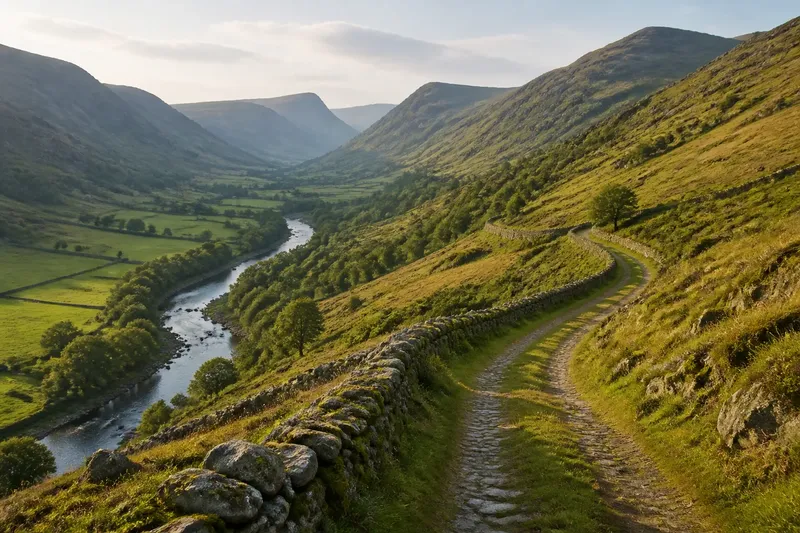
Next, compare the name with the place itself. Look at the feature named—perhaps a bend in a stream, a marshy patch, a ridge, or a grove—and consider whether that feature is still visible. A name can outlast the landscape condition that once made it apt, especially when drainage, construction, or land use has altered the setting.
Look beyond the present-day view. Local maps, land records, museum collections, and historical photographs may indicate that a site once held a mill, ferry landing, pasture, or other use. Treat each source according to what it can establish: a map may locate a feature, while a property record may document a named parcel without explaining how its name began.
Names can also refer to a feature that is nearby rather than directly beneath the sign. A road may take its name from a stream it crosses, or a district may inherit the name of a farm that once occupied part of its area. Check the name’s geographic reach before assuming that the object named and the present boundary coincide.
- Note the named feature’s location and shape on a current map.
- Compare older maps for features or land uses that are no longer visible.
- Check whether the name applies to a point, route, waterway, or wider district.
- Write down evidence that supports a landscape explanation and evidence that does not.
- Keep a second plausible explanation open if the available sources do not decide between them.
For names tied to a local language or community, consult an authoritative community source where one is available. An outside interpretation may miss cultural context, and a word’s meaning in one language does not settle its meaning in another.
How do you test an interpretation without overclaiming?
Build a short chain of evidence: an early form, a plausible linguistic reading, and a local feature or use that fits that reading. The links should reinforce one another. If the spelling appears only in a recent source, or the proposed feature is far from the place named, say so rather than filling the gap with a confident story.
Compare explanations by asking what each one accounts for. Does it fit the oldest spelling you can locate? Does it match the name’s pronunciation history? Does a map or record support the relevant landscape or activity? A good explanation may still be provisional, but it should explain more of the evidence with fewer unsupported assumptions.
Be cautious with resemblance. Two words can sound alike by coincidence, and popular explanations often attach a vivid story to a name without documentary support. The useful question is not “What modern word does this remind me of?” but “Which reading best fits the recorded forms and the place’s documented context?”
What questions help you read a place name?
Can a place name keep an older language alive?
It can preserve a form or sound that later speakers no longer recognize, even if they continue to use the name. That trace is evidence of linguistic history, but it may not reveal a complete translation on its own.
Does an old spelling prove the name’s original meaning?
No. An early spelling can bring you closer to earlier pronunciation, but clerks and mapmakers may have recorded names inconsistently or adapted them to their own conventions. Use it alongside other forms and local evidence.
Why do residents pronounce the same name differently?
Pronunciation can vary as speech changes, as people move between communities, or as an official spelling influences how a name is read aloud. Note the variation rather than choosing one speaker as the sole authority on the name’s history.
What if the name has several plausible explanations?
Keep the alternatives visible and describe what evidence would distinguish them. If the sources do not settle the question, “uncertain” is a more informative conclusion than a neat origin story unsupported by the record.
How should you present what you learn?
Write a compact account that distinguishes observation from interpretation. For example: “The earliest map located so far uses Alder Runn; later local records use Alder Run. The name may refer to trees or water, but the records consulted do not establish which.” This phrasing gives a reader something checkable without presenting a possibility as a fact.
Include the source types you consulted and the limits of the search. If you found no early form, say that the earliest form you located is not necessarily the first one ever used. If a pronunciation came from a resident, identify it as a present-day pronunciation rather than evidence of an ancient one.
When you encounter another place name, follow the same sequence: record its current form, locate older forms, compare pronunciation, inspect the named feature or use, and weigh competing explanations. The name may not yield a single answer, but even an unresolved clue can show how language, land, and local memory have accumulated in one small phrase.